Wardrobe Planning
Building a Capsule Wardrobe for Indian Life

The Closet Full of Nothing to Wear
You’ve got a full cupboard. Clothes stacked, folded, hanging. And every morning, you stand in front of it and think: I have nothing to wear.
That’s not actually a clothing problem. It’s a planning problem. Most wardrobes in Indian homes are built by accumulation, not design. Festival purchases, impulse buys, gifts from relatives, sale picks that seemed like a good idea at the time. The result is a lot of pieces that don’t work together.
A capsule wardrobe fixes this. And honestly, it’s easier to build than you’d think.
What a Capsule Wardrobe Actually Is
It’s a small, curated collection of versatile pieces that mix and match to cover most of your daily needs. The idea isn’t to own the fewest clothes possible. It’s to own the right clothes.
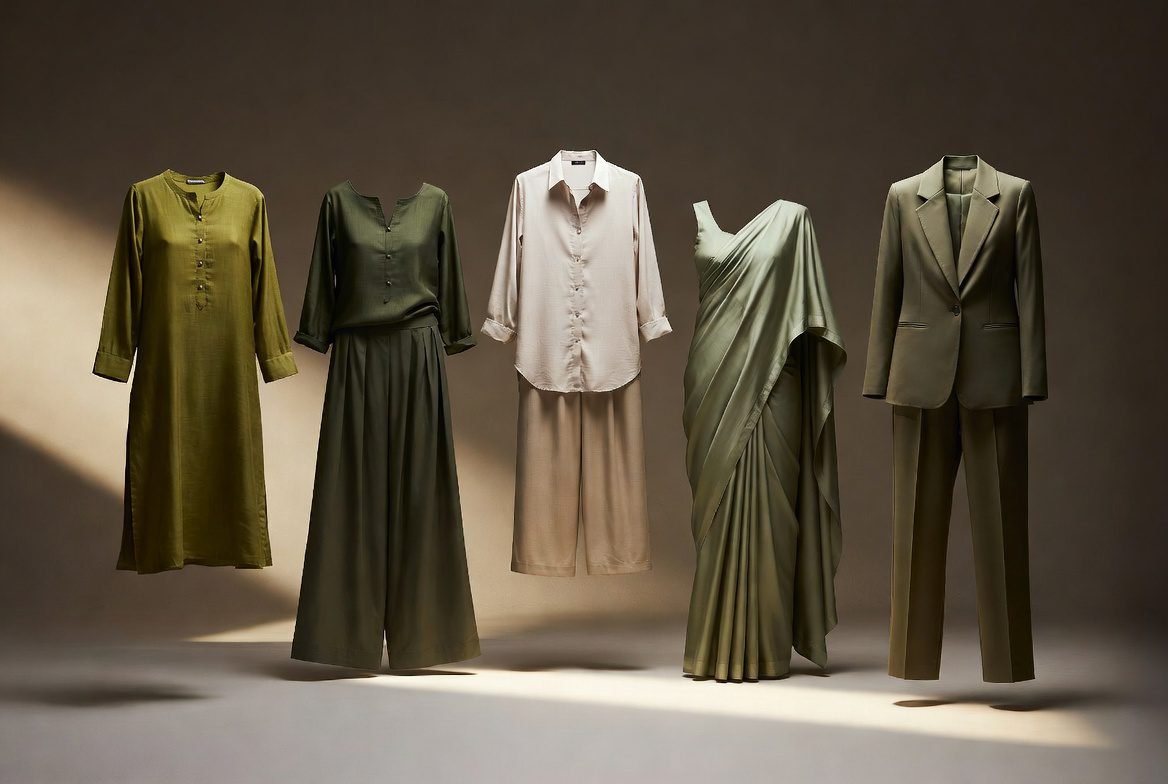
For Indian life, this means covering five zones: work, casual weekends, festivals, weddings, and weather shifts. A capsule that ignores any of these zones is going to leave gaps. And gaps mean panic purchases.
Most capsule guides online are built for Western lifestyles. Jeans, blazers, white tees. That’s fine if you live in London. In India, you need kurtas, sarees, ethnic options, heat-friendly fabrics, and at least one outfit that survives a wedding. We build for that reality.
The 20-Piece Framework
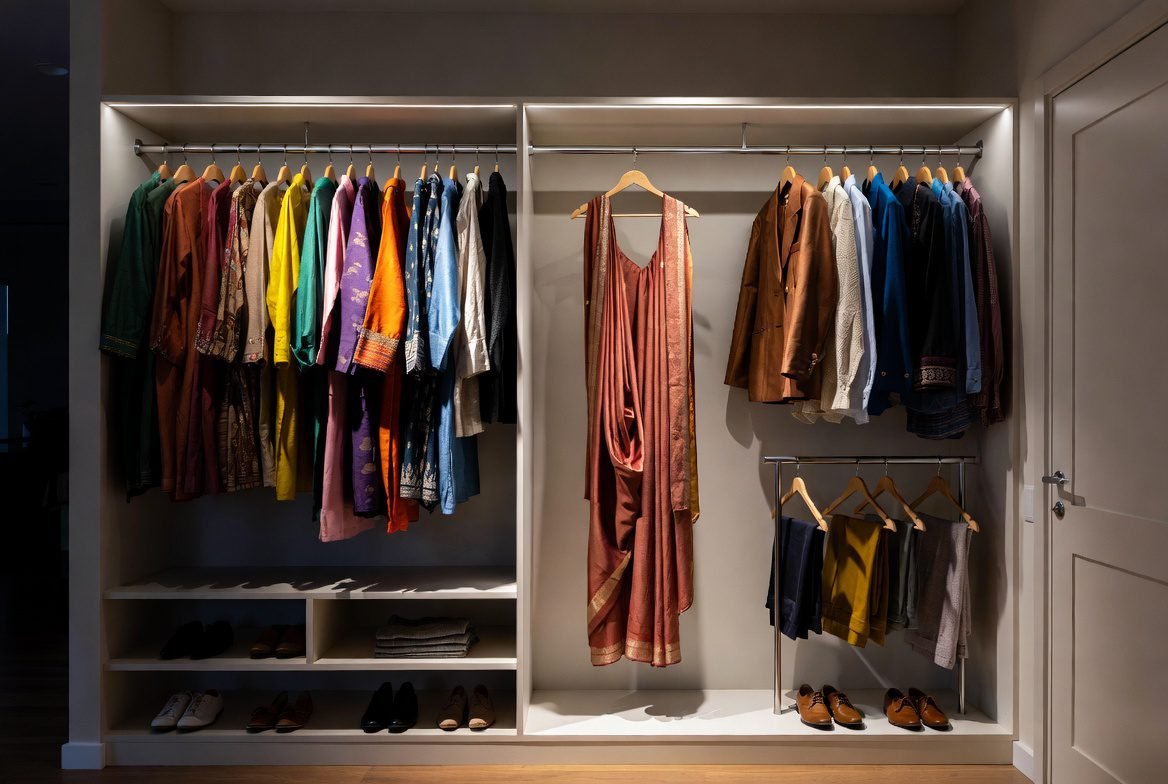
Here’s a rough framework that I think works for most people. Adjust based on your lifestyle.
Work zone: three to four outfits. Kurta sets or trousers-and-shirt combinations. Neutral colours that mix well. One layering piece for AC offices.
Weekend zone: two to three casual outfits. Jeans, tees, relaxed kurtas, comfortable shoes.
Festival zone: two to three ethnic outfits. One saree or lehenga, one kurta set, one Indo-Western option. These should overlap with wedding-guest territory.
Wedding zone: one proper outfit for the ceremony, one lighter option for pre-events. Rental fills gaps here if needed.
Weather pieces: one rain-friendly layer, one light jacket, one warm layer for December through February.
That’s roughly twenty pieces. Not a strict number, but a starting range. The point is intentionality, not minimalism.
Colour Strategy
I’ve seen capsule attempts fail because every piece was a different colour story. They couldn’t be combined.
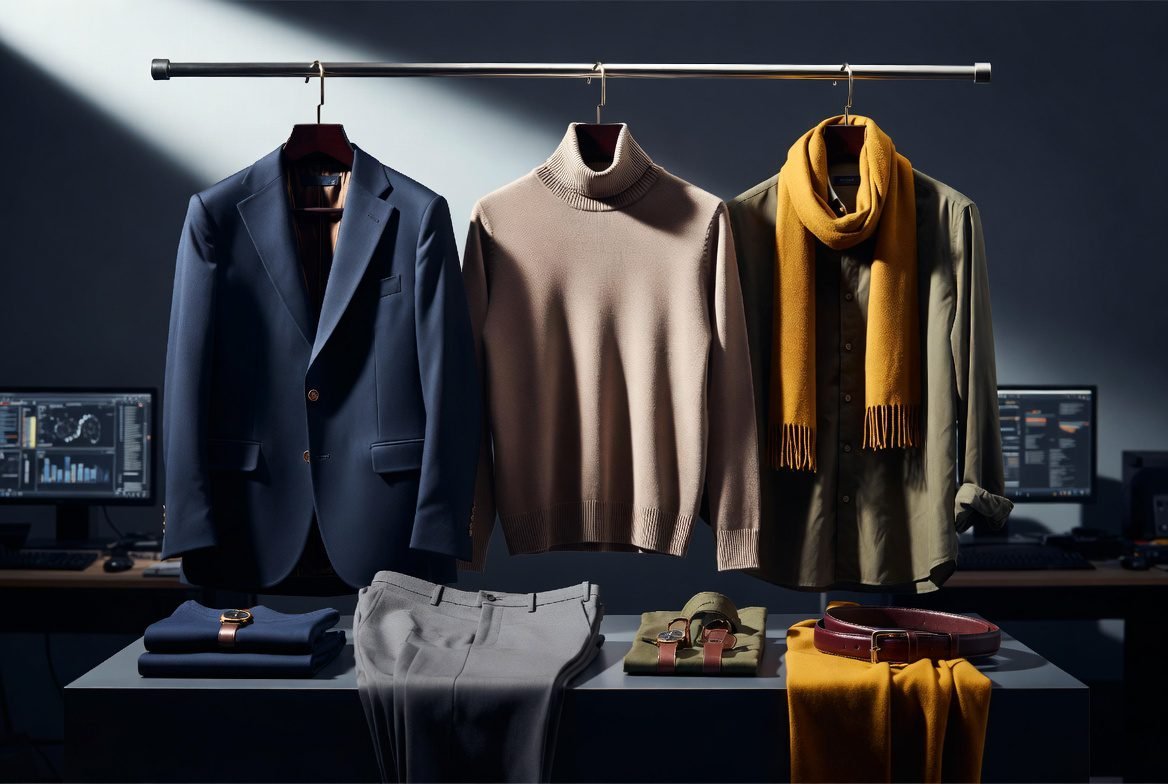
Pick a base palette of two or three neutrals (navy, black, beige, grey, olive). Then add two or three accent colours you like. Everything in the capsule should live within this palette.
When everything coordinates, the number of outfit combinations you can make from twenty pieces is honestly kind of surprising. It’s not twenty outfits. It’s fifty or more.

Build Slowly, Not All at Once
Don’t throw out your entire wardrobe and start fresh. That’s wasteful and stressful.
Instead, audit what you have. Pull out the pieces that fit the framework. Identify the gaps. Then fill those gaps over the next few months, one or two pieces at a time.
#Lookbook publishes capsule wardrobe templates by climate zone, budget tier, and lifestyle type. They’re the most saved content on our platform for a reason.
#Lookbook: Capsule Wardrobe Guides
Follow #Lookbook for ready-to-use capsule wardrobe templates, colour palette guides, and seasonal audit checklists for Indian life.