Fabric Intelligence
The Fabric Cheat Sheet: What to Buy, What to Avoid, and What to Wear When
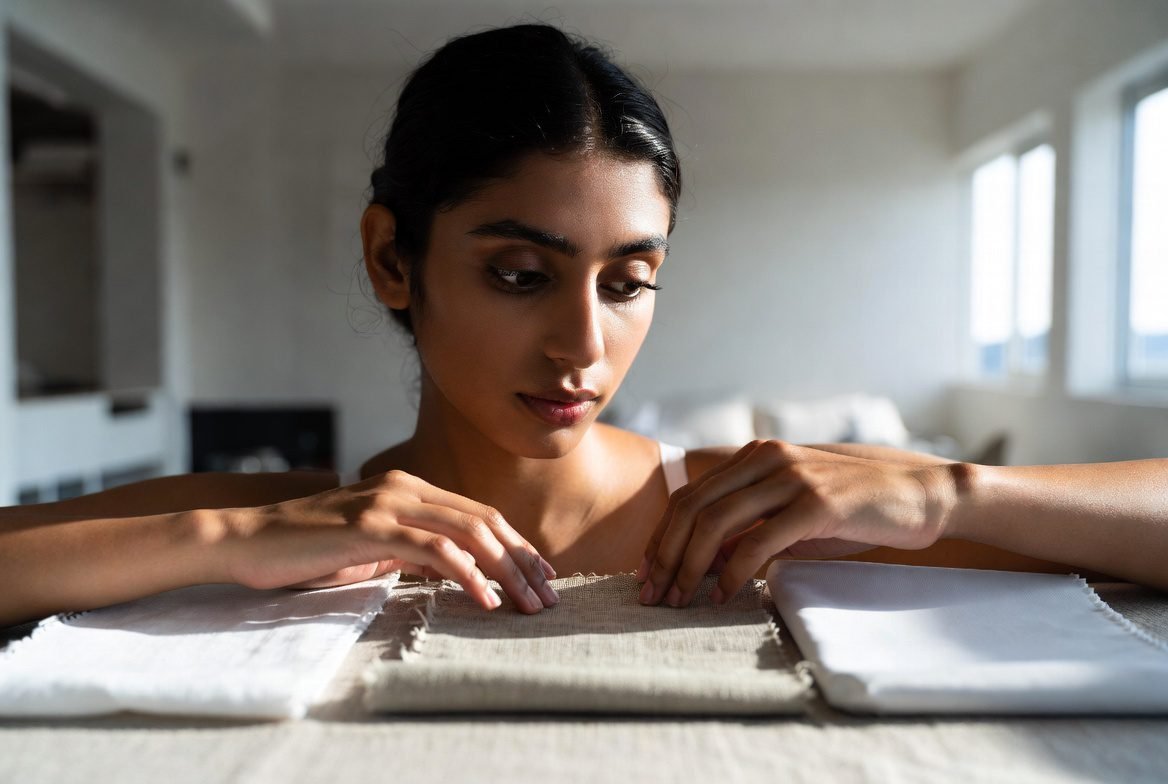
Nobody Reads the Label (But You Should)
Most people buy clothes based on how they look. Colour, cut, style. And then they get home, wear the thing once, and discover it’s either too hot, too clingy, too scratchy, or too fragile for regular use.
The label would have warned them. But nobody reads the label.
Fabric is honestly the most under-discussed topic in Indian fashion. And it might be the most important one, because in a country where temperatures range from five degrees to forty-five, what your clothes are made of determines whether you survive the day comfortably.
The Good: Fabrics for Indian Climate
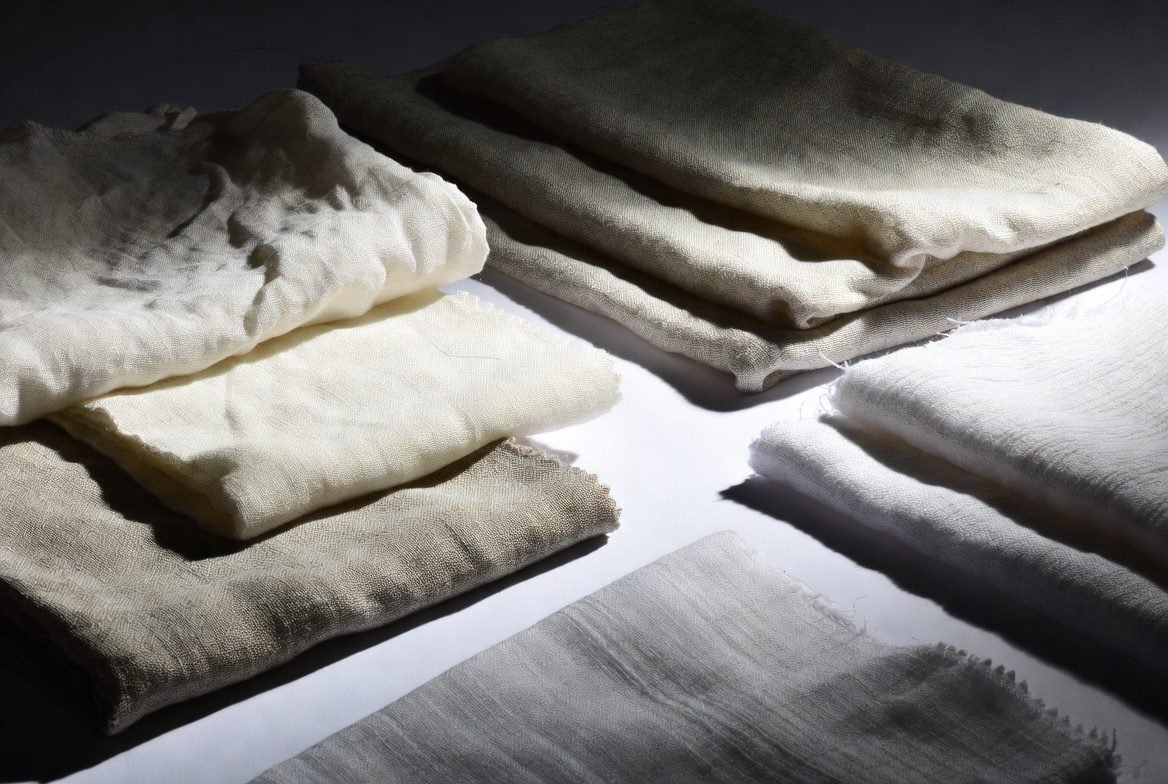
Cotton is king. It breathes, absorbs sweat, dries reasonably fast, and works in most Indian temperatures. If you’re buying one fabric for everyday wear, make it cotton.
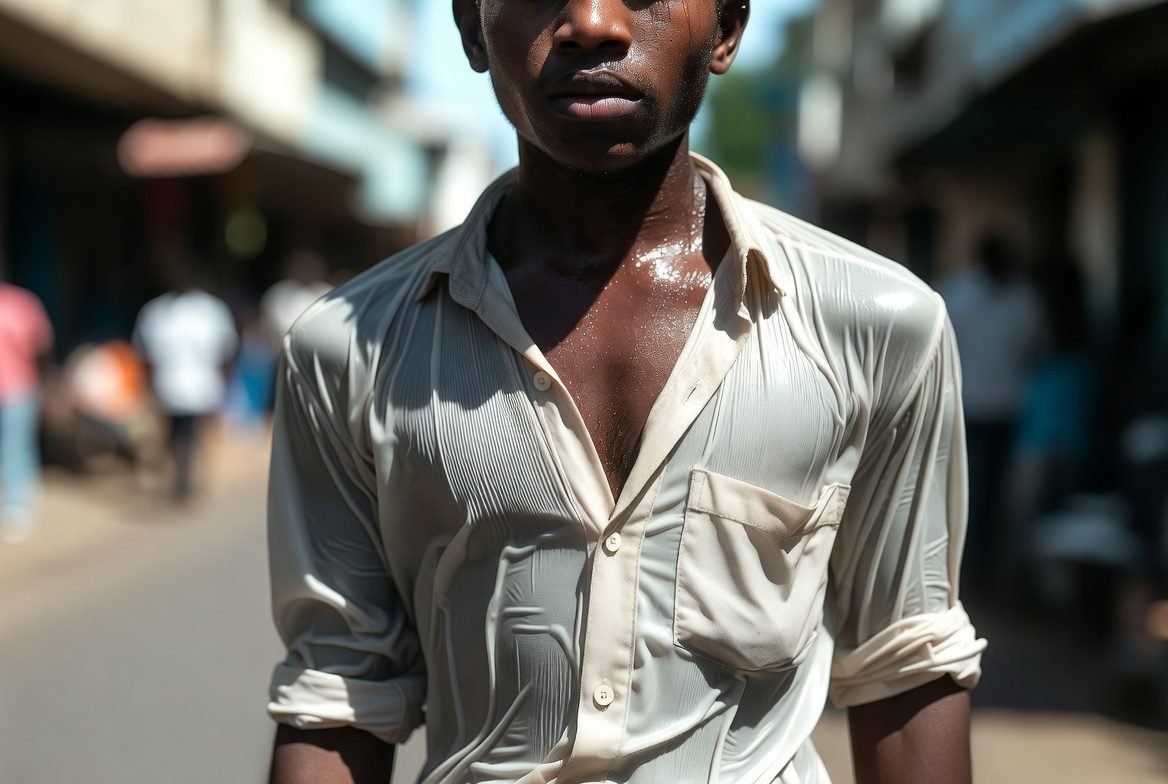
Linen is excellent for peak summer. More breathable than cotton, dries faster, and has that effortless texture. The trade-off is wrinkling, but many people (myself included) think the wrinkles look fine.
Khadi, handloom cotton, and muslin are all premium forms of cotton that feel noticeably better. They cost more, but the comfort per rupee is higher if you factor in how much more often you’ll actually wear them.
The Bad: Fabrics to Be Careful With
Polyester doesn’t breathe. It traps heat. It smells faster. In Indian summers, it’s genuinely miserable to wear for extended periods. It’s cheap, which is why it’s everywhere. But if you can afford cotton, choose cotton.
Nylon is similar. Functional for sportswear and rain gear. Terrible for daily clothes in hot weather.
Viscose (or rayon) is a mixed bag. It drapes beautifully and feels soft. But it wrinkles badly, can shrink unpredictably, and loses strength when wet. Handle with care.
Fabric by Occasion
For work: cotton shirts, cotton-blend trousers, linen kurtas. Breathable and professional.
For festivals: silk sarees, brocade kurtas, chanderi dupattas. Rich but reserve them for short-duration events.
For casual: soft cotton tees, denim (cotton-based), jersey knits. Comfort-first.
For monsoon: synthetic-blend shoes (they dry fast), cotton clothes (they handle humidity), nothing silk (water spots are permanent).
Knowing your fabric saves you from buying things that look great in photos and feel terrible in real life.
The Label Habit
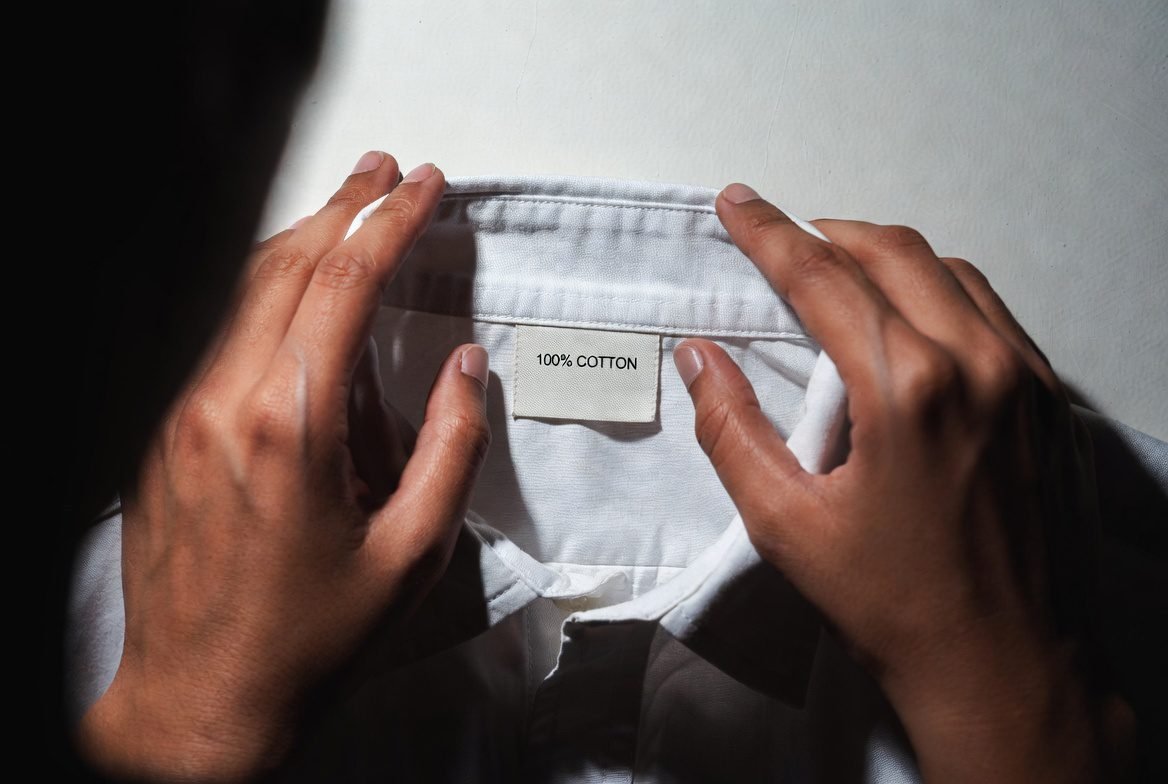
Build this habit: check the fabric composition before you buy. Online or in-store. If it says 100% polyester and you’re buying it for Indian summer, reconsider.
It’s a small habit that saves a lot of wasted purchases. #Lookbook includes fabric breakdowns in every product review and outfit feature. Because the material matters as much as the look.
#Lookbook: Fabric Intelligence
Follow #Lookbook for fabric guides, seasonal material recommendations, and product reviews that always include what the clothes are actually made of.