Fit & Confidence
Dressing for Your Body, Not a Model’s Body
The Size Label Lie
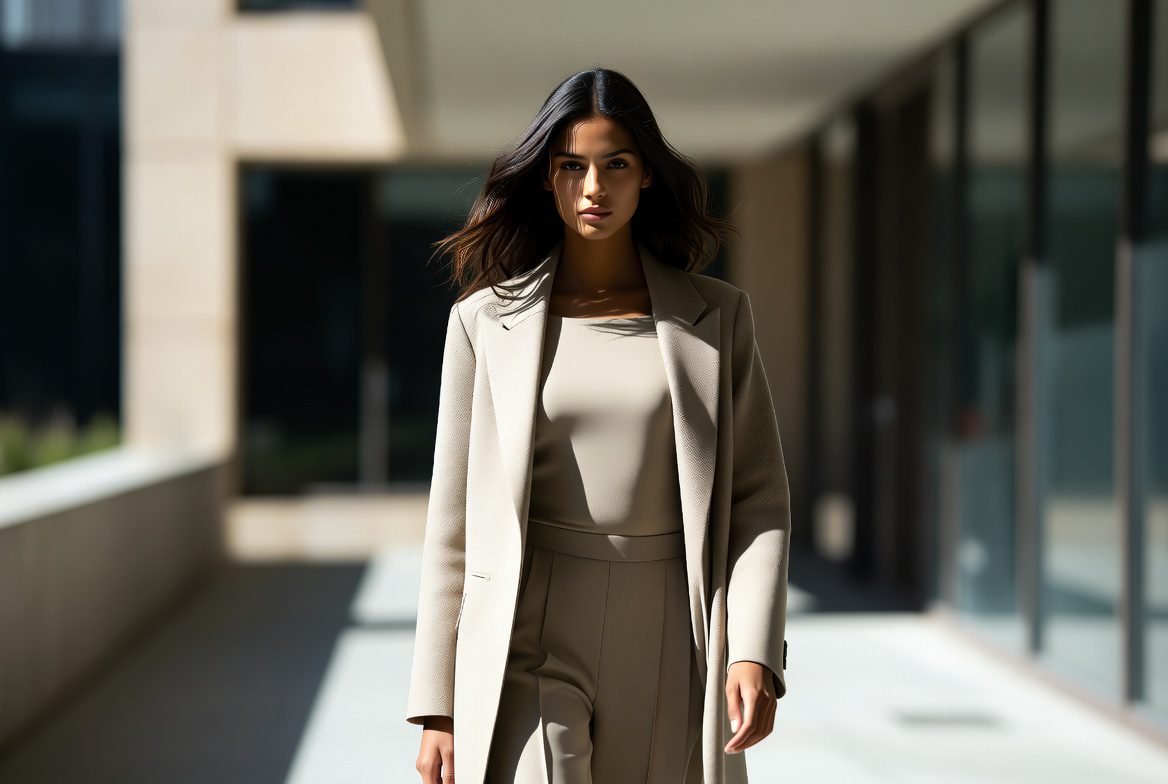
Size labels are fiction. I know that sounds extreme, but hear me out. A medium in one brand is a large in another and a small in a third. There’s no universal standard. And the numbers on the tag? They’re assigned by the brand, not by your body.
So if you’ve ever felt bad about going up a size when switching brands, stop. The size didn’t change. The label did.
This is probably the single most important thing fashion media should be saying and almost never does.
Understanding Your Actual Shape
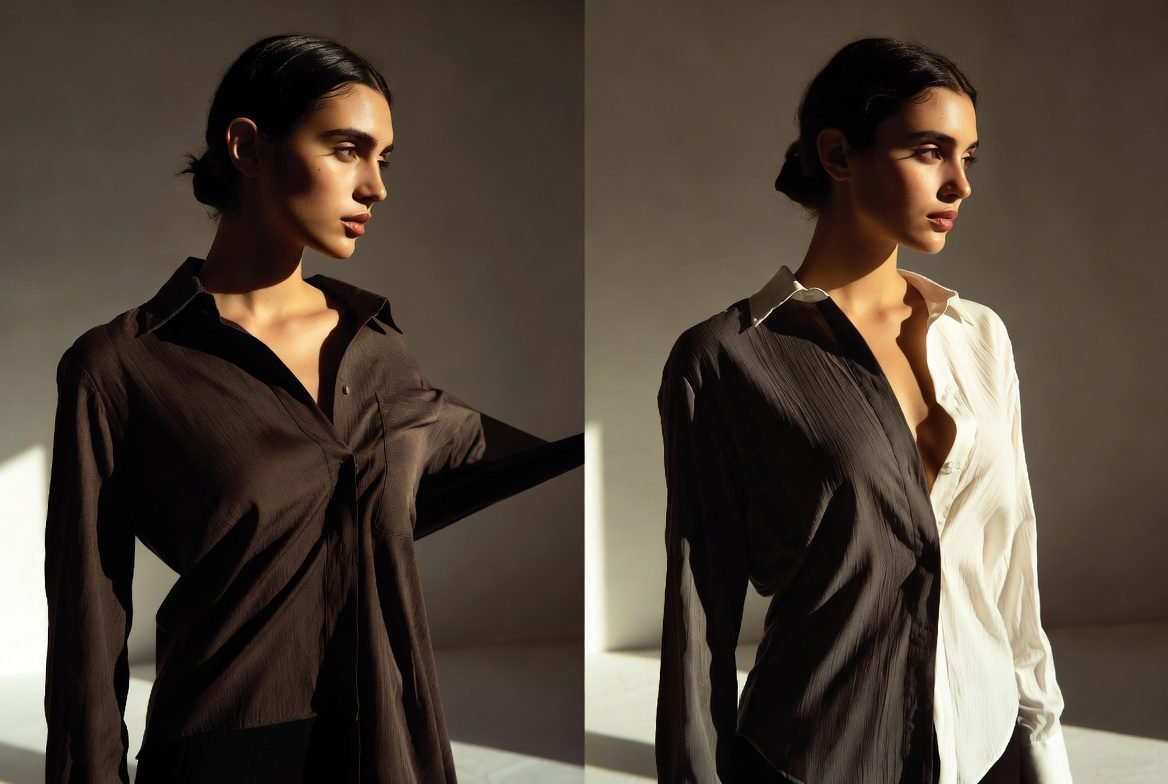
Forget the “body type” categories from 2005. You’re not an apple, pear, or hourglass. You’re a person with specific proportions: shoulder width, waist measurement, hip circumference, torso length, leg length.
Knowing these numbers matters more than knowing your “type.” Because when you shop based on measurements rather than categories, you buy clothes that actually work on your body.
Get measured. A tailor can do it in five minutes. Write the numbers down. Keep them in your phone. Reference them every time you shop online.
Silhouette Principles That Actually Help
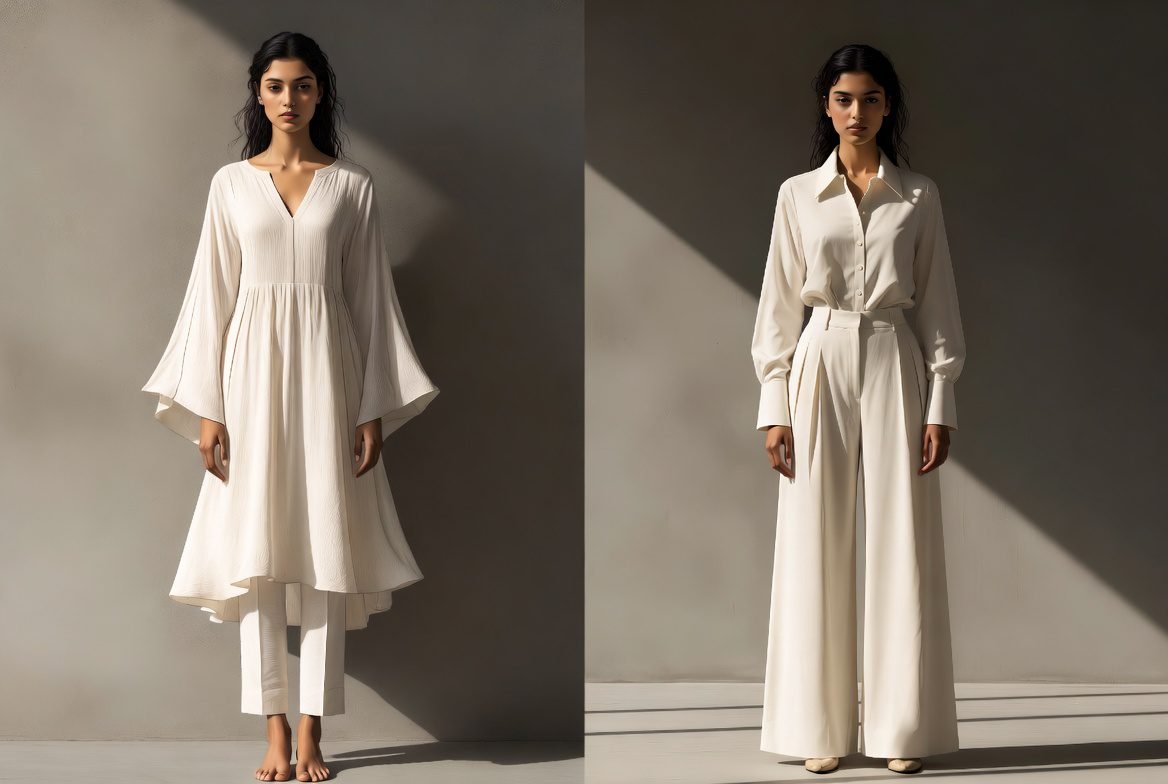
Here’s something I’ve found pretty reliable. If your top is loose, keep your bottom fitted. If your bottom is loose, keep your top fitted. This creates a balanced silhouette regardless of body shape.
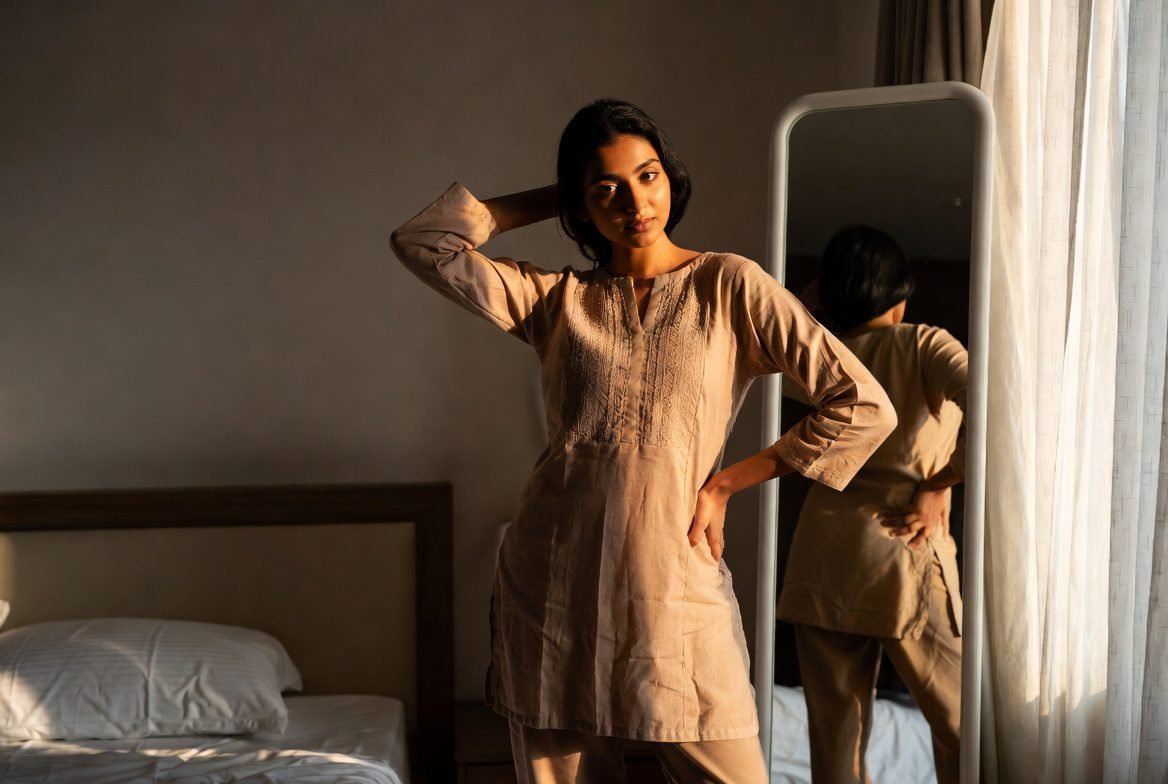
A flowy kurta with slim pants works. A fitted shirt with wide-leg trousers works. Both pieces loose? You look swallowed. Both pieces tight? Uncomfortable and restrictive.
This one principle handles maybe seventy percent of outfit decisions. And it costs nothing to apply.
The Alteration Shortcut
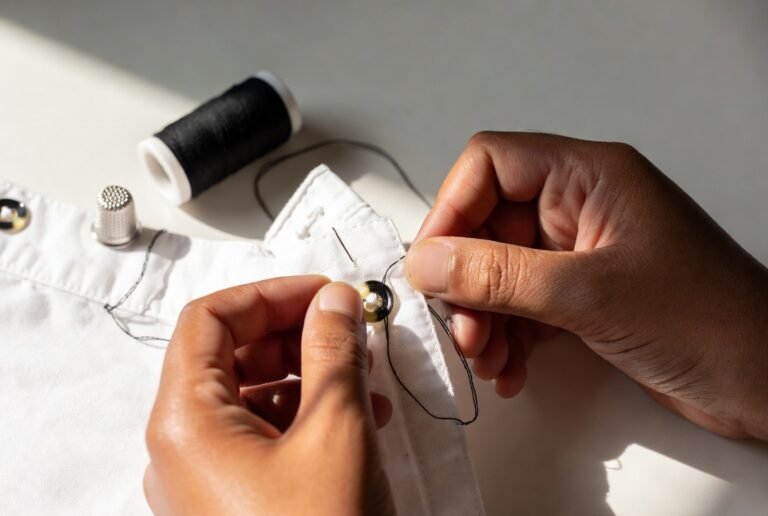
I’ve said this before and I’ll keep saying it. Alterations are the fastest way to make clothes look better on your body. Taking in a waist. Shortening sleeves. Hemming trousers. Adjusting shoulder seams.
Most alterations cost between fifty and three hundred rupees. The transformation in how the garment looks? That’s worth way more.
Ready-made clothes are designed for an average. You’re not an average. You’re specific. And your clothes should reflect that.
Dress for Yourself
At the end of it, the goal isn’t to hide your body or conform to some shape ideal. It’s to wear clothes that make you feel comfortable and confident. Whatever that looks like for you.
#Lookbook covers fit and proportion as a regular pillar because we think it’s the most under-discussed topic in Indian fashion media. Not trends. Not brands. Fit.
#Lookbook: Fit & Confidence Guides
Follow #Lookbook for body-neutral fit guides, proportion tips, and alteration advice that helps every body look its best.