Regional Trends
Regional Style: Why Fashion Looks Different in Every Indian City
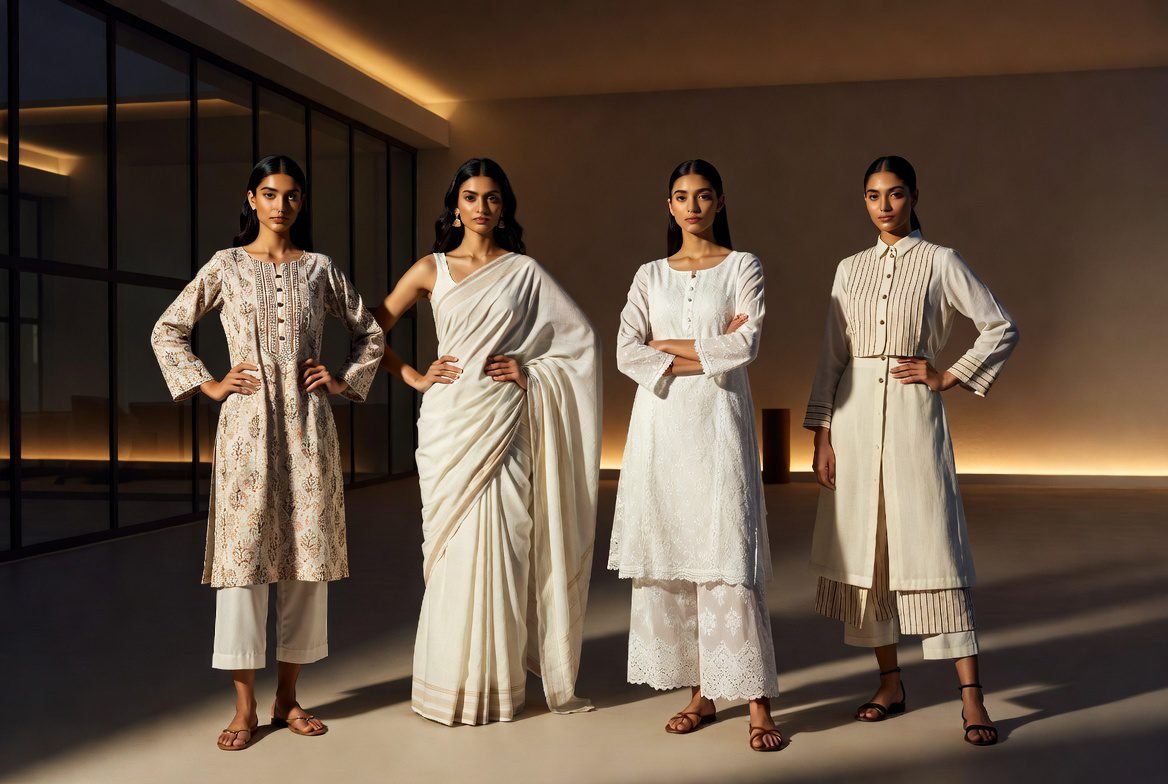
One Country, Many Wardrobes
India doesn’t have one fashion culture. It has dozens. The way people dress in Chennai is genuinely different from how people dress in Chandigarh. Climate, culture, local textiles, economic context, religious traditions, and regional media all shape what gets worn and how.
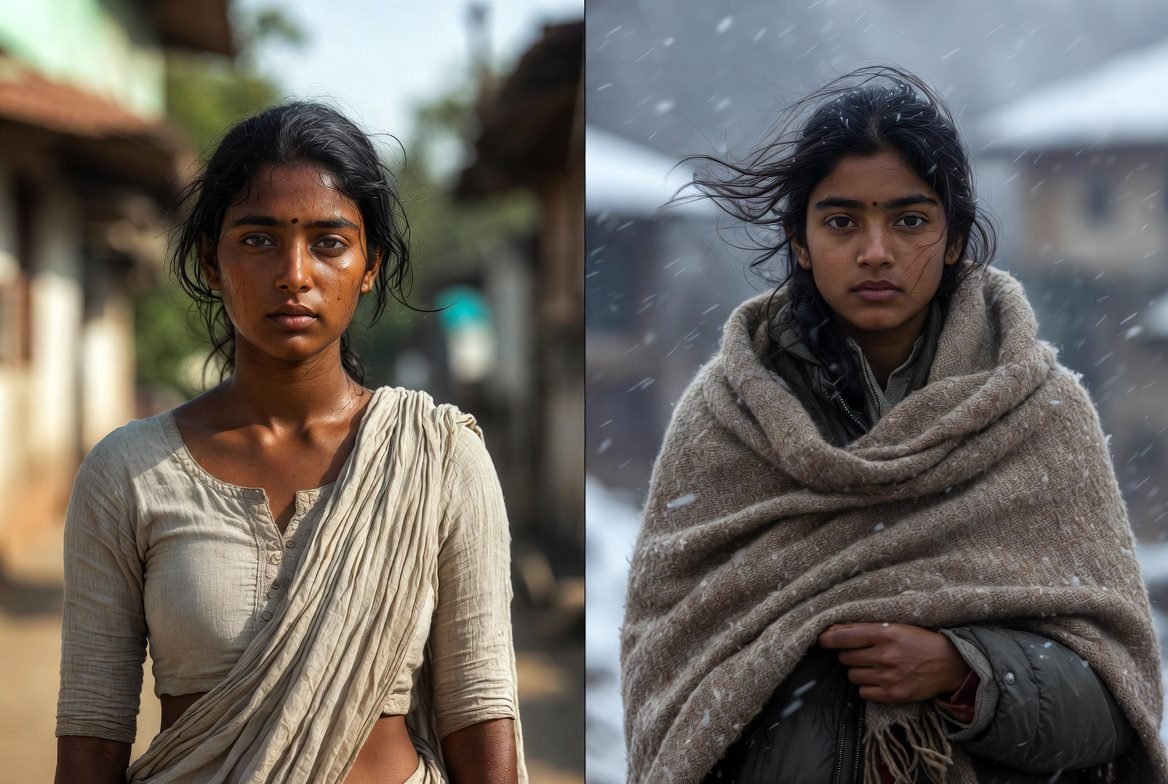
Fashion media in India mostly covers Mumbai and Delhi. Sometimes Bangalore. Rarely anyone else. And that’s a massive blind spot, because some of the most interesting style movements in the country are happening in cities that never make the trend lists.
We’re trying to fix that.
How Climate Shapes Wardrobe
This sounds obvious but it’s honestly ignored by most fashion content. A style guide written for Mumbai’s humidity doesn’t work in Shimla’s winters. And vice versa.
South India leans heavily toward cotton because the heat demands it. North India layers more because of cold winters. Coastal cities prefer lighter, breathable fabrics. Desert cities like Jaipur embrace bright colours that cut through the dusty landscape.
Understanding your city’s climate is the first step to building a wardrobe that actually works for your daily life.
Textile Traditions That Still Influence Daily Dress
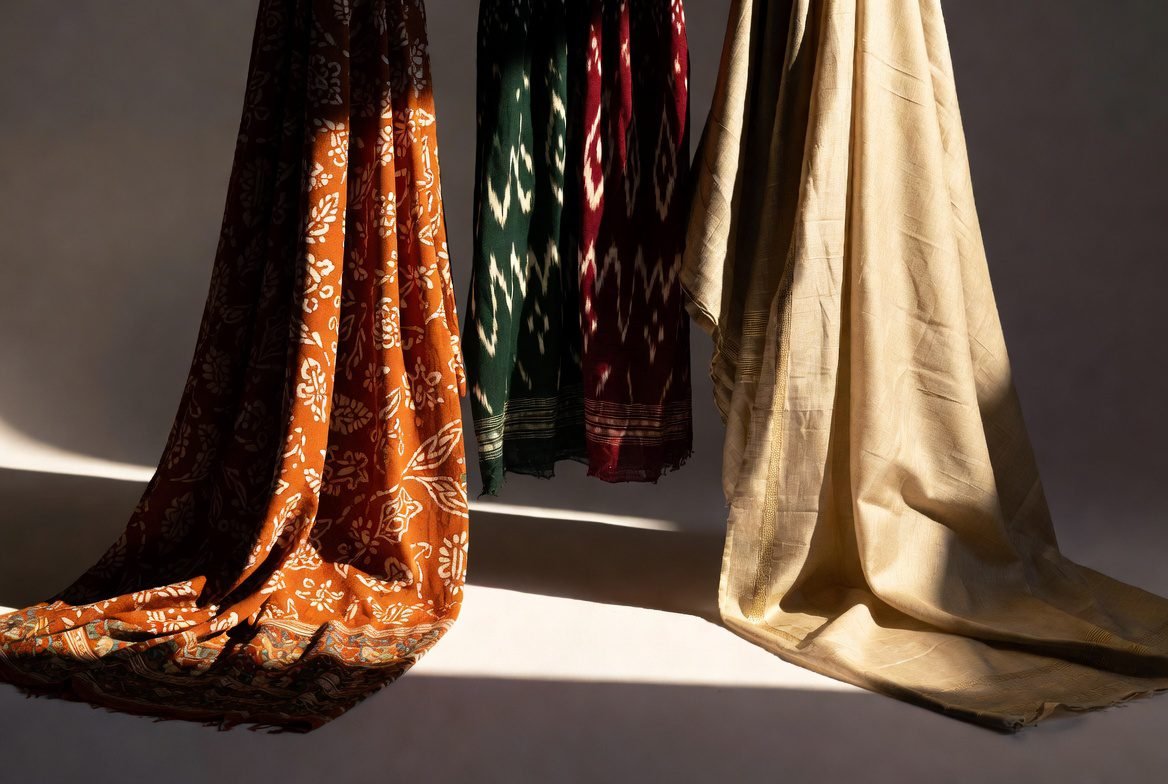
India’s regional textile traditions are alive and well in everyday fashion, even when people don’t consciously think about it.
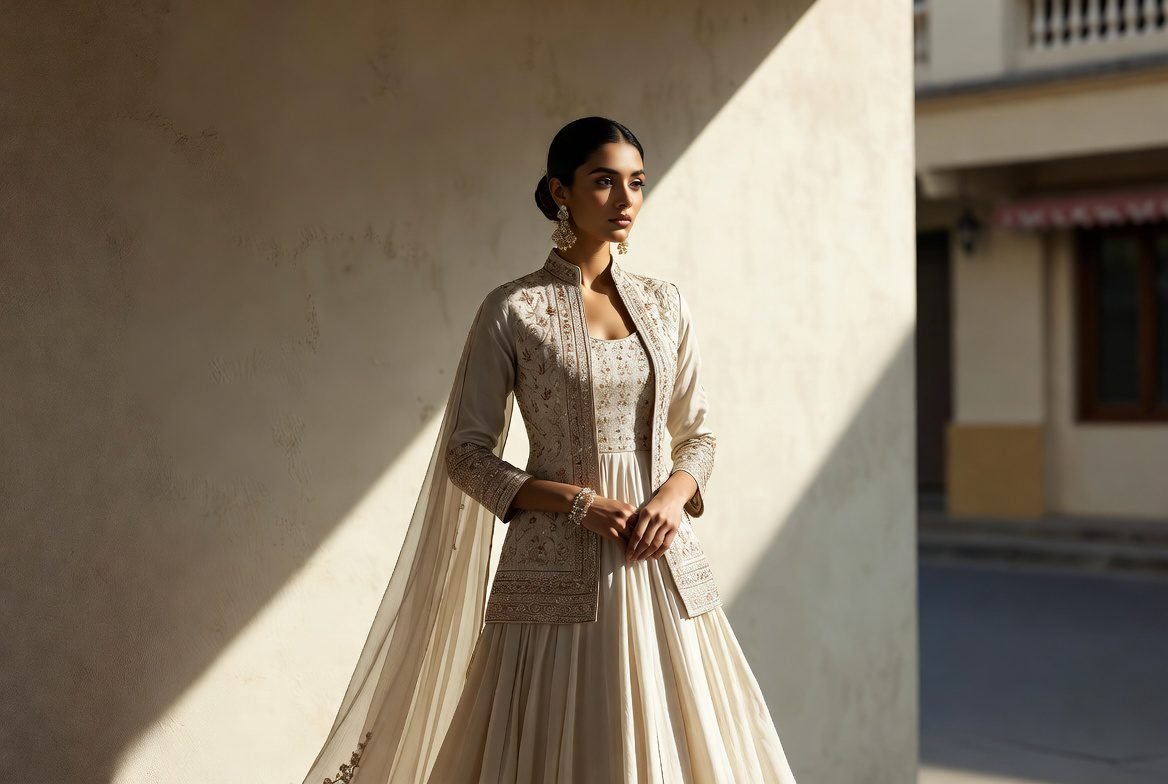
Block prints from Rajasthan. Ikat weaves from Odisha and Andhra. Chikankari from Lucknow. Bandhani from Gujarat. Kanjivaram silk from Tamil Nadu. Pashmina from Kashmir. These aren’t museum pieces. They’re fabrics people wear to work, to temples, to weddings, and to regular Tuesday lunches.
And they’re almost always better quality per rupee than mass-produced alternatives. Supporting local textiles isn’t charity. It’s smart shopping.
Tier-2 Cities Are Setting Trends Too
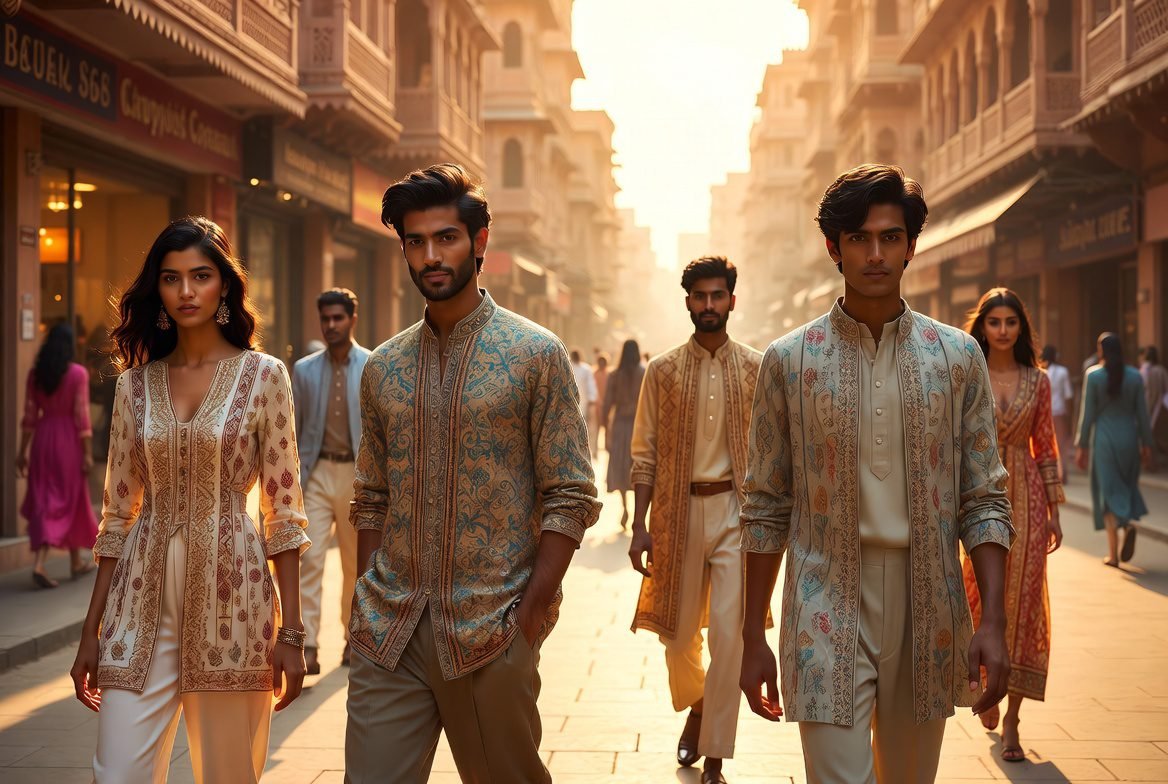
Something I find really interesting is how Tier-2 cities are developing their own distinct fashion identities. Surat’s D2C fashion scene is booming. Indore’s wedding market is massive. Coimbatore is producing innovative knitwear. Jaipur’s fashion exports influence domestic retail.
These cities aren’t following Mumbai’s lead. They’re building their own aesthetic economies. And #Lookbook is going to cover them.
Celebrating What’s Already There
The point of regional style coverage isn’t to flatten everything into one national trend. It’s to celebrate the variety that already exists.
Your city has a fashion identity. You’re probably already part of it. We just want to make sure it gets the same editorial attention that metro fashion does.
#Lookbook: Regional Style Reports
Follow #Lookbook for city-by-city fashion coverage, textile spotlights, and regional trend reports from across India.